About Me
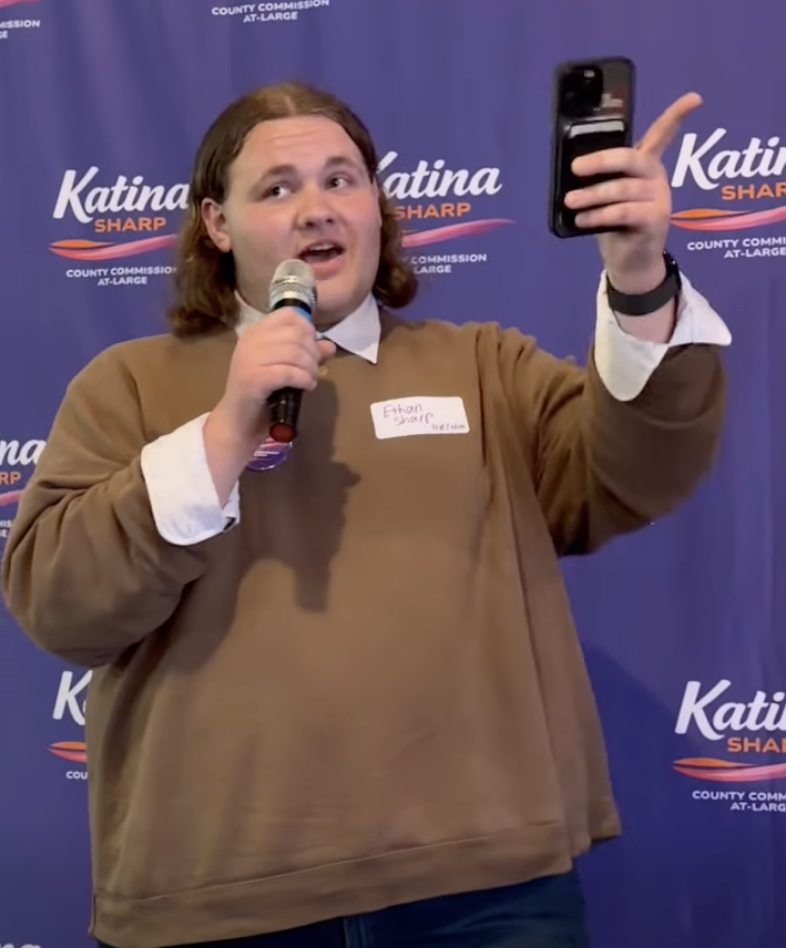
My name is Ethan Sharp. I am a senior biomedical engineering major pursuing both the therapeutics and medical device design tracks at the University of Tennessee, Knoxville Tickle College of Engineering. I am also minoring in applied music at the UT Knoxville Natalie L. Haslam College of Music. I am an active member in the UT cello studio and play the cello in the UT Symphony Orchestra. I started playing cello in 2009, a month before my fourth birthday, and have continued to play ever since. I was born and raised in Knoxville and graduated from Hardin Valley Academy in 2023.
I have always known I wanted to pursue a career in STEM, but I was not always confident in which field interested me most. In the early stages of my college search, I developed an interest in chemical engineering and thought that was what I wanted to pursue. I ended up deciding on Biomedical Engineering as it more closely aligned with my specific interests and my love of both chemistry and biology. I enjoy learning about and working with a wide variety of bodily systems and applications, but I am most passionate about oncology and targeted drug delivery research.
Through some academic assignments and out of personal interest, I have extensively researched the treatment and pathology of cancer, more specifically the application of nanoparticle delivery for chemotherapy. I took Intro to Drug Delivery in the spring semester of my junior year and fell in love with the subject. For my final project, I researched and designed a primary leukocyte-coated lipid nanoparticle delivery mechanism to deliver the chemotherapy drug daunorubicin for the treatment of acute myeloid leukemia. After submitting that project, I continued to develop it under the instruction of Dr. Elizabeth Barker in the biomedical engineering department at UTK. Once I had sufficiently developed my research and design to my standards, I submitted the paper to PURSUIT—the undergraduate academic research journal at the University of Tennessee. I am still awaiting a response from them.
In the summer of 2026, I had the opportunity to work alongside Dr. Paul Dalhaimer, a professor in the chemical and biomolecular engineering department at the University of Tennessee, in his research lab. His research focused on a very similar subject to the one I had been previously pursuing: drug delivery utilizing nanoparticles in the human body. Specifically, he was studying the role geometric shape plays in drug delivery by comparing spherical and cylindrical PEG-PLGA nanoparticles. In this experience, I was able to learn a variety of skills, including starting and maintaining cell cultures, designing and performing cell culture experimentation, running Western blot tests, collecting cell samples, infrared imaging, microscopy imaging, and sterile procedures while utilizing a biosafety cabinet.